
Beautiful Death and Ordinary Bodies
What Are You Going ThroughThis thematic thread contrasts the friend’s imagined graceful farewell with the bodily uncertainty, accidents, and indignities that shape dying.
increasing Bearing strength in each event
 decreasing
Bearing strength in each eventdecreasingA Good Death Defined
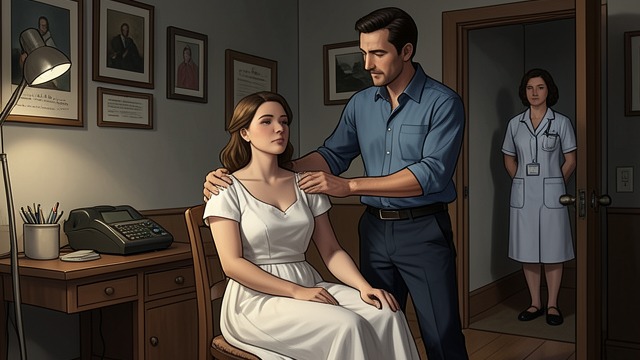
A Good Death Defined
An image of dignity
The friend describes a good death as largely free of pain, clean, dry, and marked by some poise. She wonders why such modest dignity should be too much to ask.
A rare ideal
She also knows that bodies do not reliably follow an ideal. Her standards express a desire for control, but they expose the vulnerability on which that control depends.
Fear of the Body’s Resistance
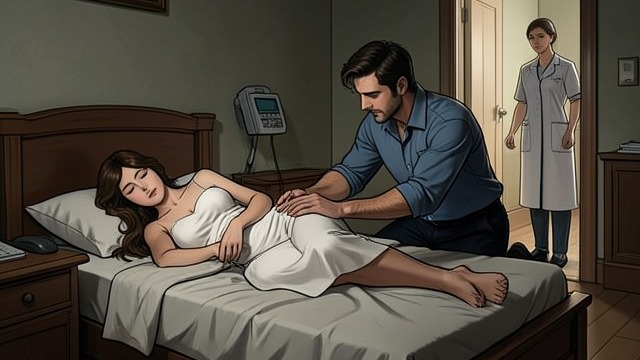
Fear of the Body’s Resistance
A strong body as danger
The friend worries that good health may keep her heart fighting when the rest of her body is failing. She fears enduring agonizing symptoms until the final breath.
Life without mastery
Her fear challenges the comforting idea that strength always helps. A body can continue living against the conscious wishes of the person inhabiting it.
A Planned Farewell
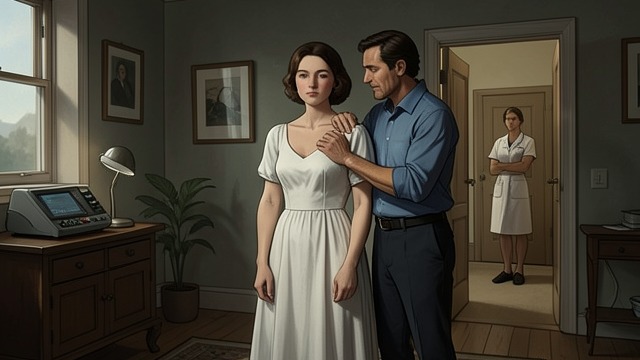
A Planned Farewell
Setting a stage
The friend selects a quiet rental house where she can complete final tasks without familiar attachments pressing on her. Separate rooms promise privacy and a measure of safety.
Death as arrangement
Her plan turns an unknowable ending into a sequence she can prepare for. The setting appears to make an otherwise uncontrollable event legible and deliberate.
The Overflowing Bath
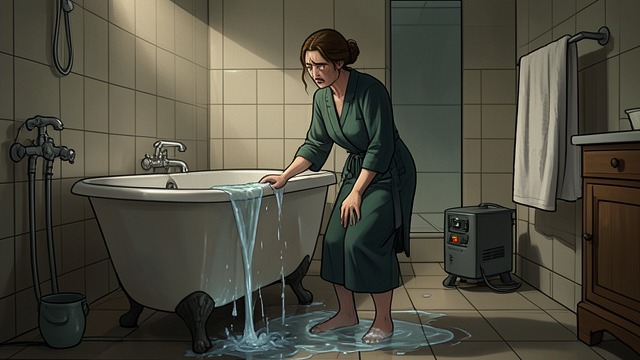
The Overflowing Bath
A mundane accident
The friend falls asleep while waiting for the tub to fill, and water damages the house. An ordinary lapse overwhelms the atmosphere she had imagined for her final days.
Dignity under pressure
She experiences the mess as humiliating and unfair. The episode shows that a beautiful death cannot be guaranteed by a beautiful setting or careful intentions.
Life After the Ideal
Life After the Ideal
Familiarity replaces scenery
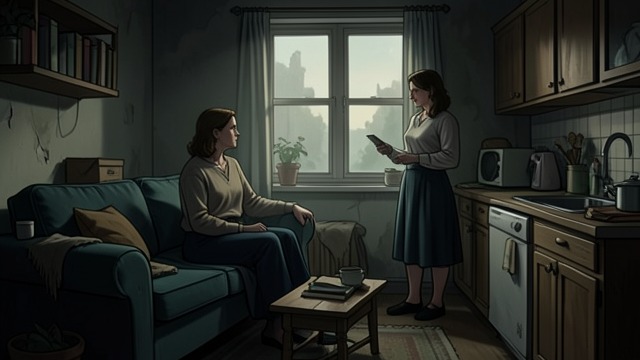
The women return to the friend’s apartment. The friend no longer wants to go out, and the narrator’s errands and household tasks become the form their days take.
No elegant resolution
The story declines to give the planned death a polished completion. It leaves the narrator with domestic remnants, fear, and memory rather than a controlled tableau.
During the friend’s first terminal-illness conversation
During the friend’s discussion of pain
Before the trip to the rental house
During the stay at the rental house
After the return to the apartment
